Conrad Hal Waddington

Professor of Animal Genetics at the University of Edinburgh

The Development of Mind

In this unusual series of lectures, the University of Edinburgh Gifford committee organised a collaborative series in which philosophers and scientists engaged in conversational panels and joint discussions on the theme of the nature of mind. Waddington was joined by fellow scientist Christopher Longuet-Higgins, as well as philosophers Anthony Kenny, and J. R. Lucas. The interdisciplinary nature of these lectures allowed for a wide-ranging discussion regarding the relationship between religion, science, and philosophy. Topics included the impact of mind on theories of religion, causation, and rational will, among others.
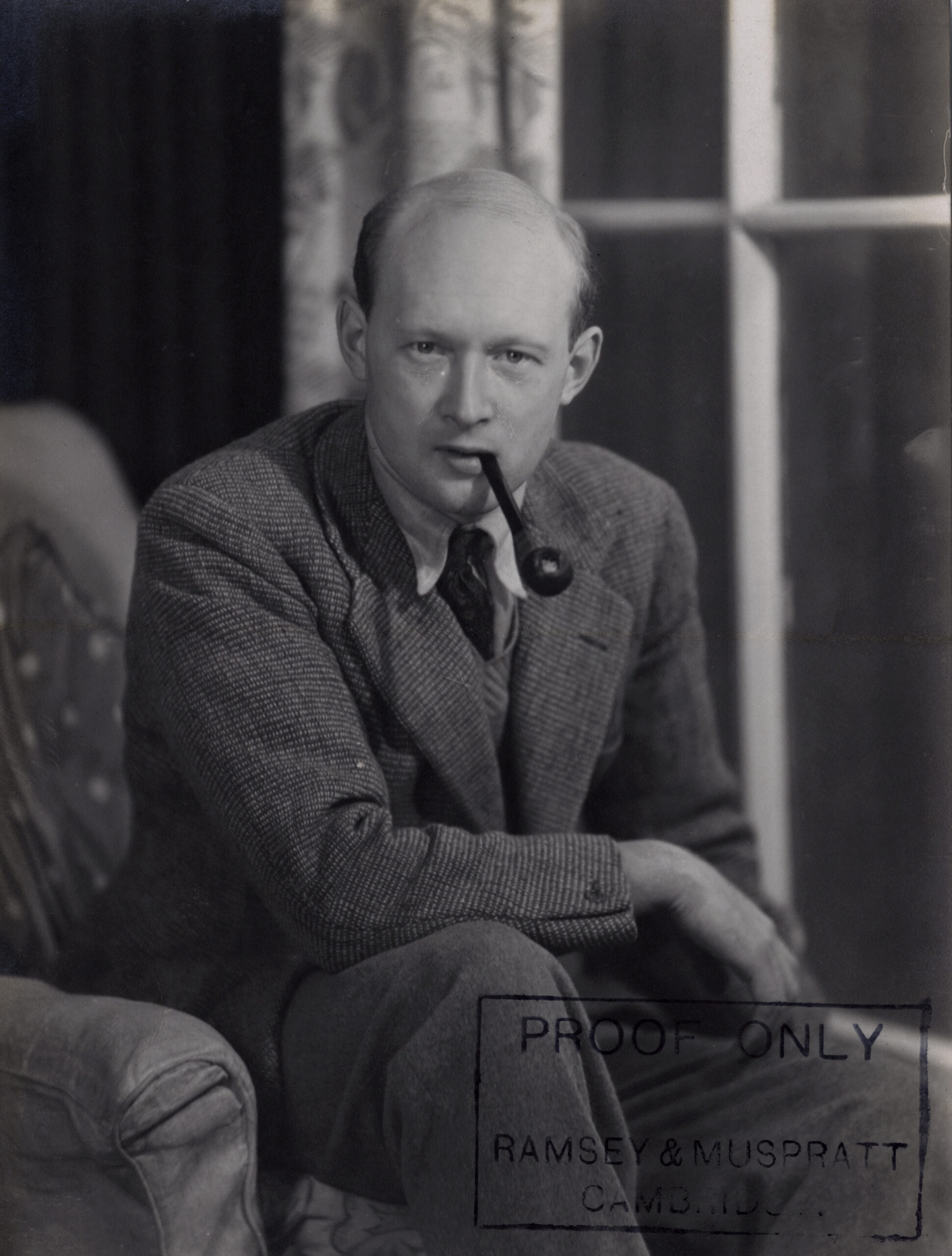
Biography

Conrad Hal Waddington was born on 8 November 1905 in Evesham, England. He was a developmental biologist, palaeontologist, geneticist, embryologist and philosopher known for laying the foundations for systems biology, epigenetics, and evolutionary developmental biology. From 1930 to 1945, he was embryologist and lecturer in zoology at Strangeways Research Laboratory, Cambridge, until the Second World War, when he engaged in operational research for the military, after which he served as Professor of Animal Genetics at the University of Edinburgh from 1947 until his death in 1975.
Appointed a Commander of the Order of the British Empire in 1958, Waddington also won the Albert Brachet Prize in 1936 and the Mendel Medal in 1960, and was elected a Fellow of the Royal Society of Edinburgh in 1947. He was best known for developing the concept of the epigenetic landscape, while also maintaining that the arts were integral to science. Important works include Organisers and Genes (1940), Principles of Embryology (1956), The Ethical Animal(1960), and Biology for the Modern World (1962).

Published/Archival Resources
Published as The Nature of Mind.